
 English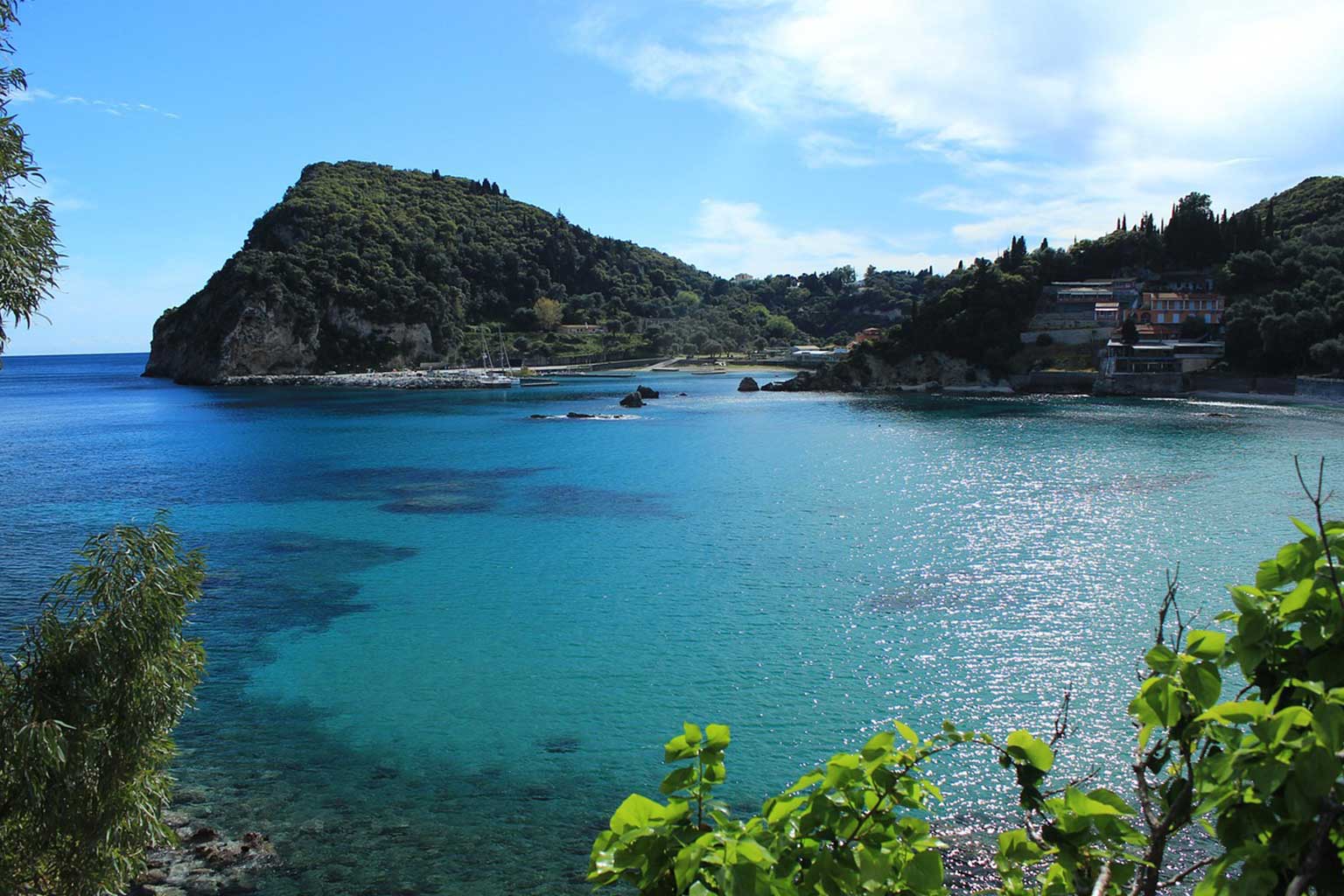
When most visitors think of Paleokastritsa, they imagine a single beautiful beach backed by tavernas and framed by dramatic cliffs. While that image isn’t wrong, it barely scratches the surface of what this remarkable corner of Corfu has to offer. In reality, Paleokastritsa is a complex of multiple beaches, hidden coves, and secret swimming spots a nautical playground that reveals its true character only to those who approach it from the water.
From the unique vantage point of your own rental boat, you can experience all of Paleokastritsa’s beaches in a single day, witnessing how each has its own personality, its own appeal, and its own perfect time of day. This is the ultimate guide to Paleokastritsa’s beaches, written from the perspective of someone who has navigated these waters countless times and discovered what makes each location special.
Understanding Paleokastritsa’s Geography
Before diving into individual beaches, it’s important to understand the geographical layout of Paleokastritsa. The main Paleokastritsa area consists of a large bay protected by headlands on both sides, with the famous monastery perched dramatically on the northern promontory. Within this protected area, the coastline curves and twists, creating multiple smaller bays and beaches. Each of these has been carved by thousands of years of wave action against the limestone cliffs, resulting in the stunning formations we see today.
The water depth varies significantly across the bay. Near the beaches, the sandy or pebbly bottom creates shallow, safe swimming areas perfect for families. Further out, the depth increases rapidly, especially near the cliff faces where the rock walls continue beneath the surface. This variation in topography creates diverse marine habitats and makes each beach suitable for different activities.
Agios Spyridon Beach: The Jewel of the Main Bay
Agios Spyridon Beach occupies a special place in the hearts of those who know Paleokastritsa well. Located in the northern section of the main bay, this pebble beach sits in a cove that offers exceptional protection from waves and wind. The approach from the water provides a perspective that few visitors experience you’ll see the beach nestled against towering cliffs that seem to embrace it protectively.
The Water Quality
The water at Agios Spyridon consistently ranks among the clearest in the entire Paleokastritsa complex. On calm days, visibility can exceed 25 meters, allowing you to see the bottom even in relatively deep areas. The water takes on different hues depending on the depth pale turquoise over sand, deeper blue over rock, and an almost emerald green where seagrass grows. This clarity makes it a favorite spot for snorkelers and underwater photographers.
Best Times to Visit
Morning light at Agios Spyridon is spectacular. The sun rises from the east, illuminating the cliffs behind the beach and creating a warm glow that contrasts beautifully with the cool blue water. Arriving by boat around 9:00-10:00 AM means you’ll have the beach largely to yourself, as most visitors haven’t yet made their way down from the parking areas. The afternoon brings more crowds but also beautiful lighting for photography as the sun moves westward.
Anchoring and Access
When approaching Agios Spyridon by boat, you’ll notice the water depth remains moderate (3-5 meters) quite far from shore. The sandy bottom makes anchoring straightforward and secure. Drop anchor about 30 meters from the beach in approximately 4 meters of water, allowing enough chain or rope to account for any wind drift. From your anchored position, it’s an easy swim to shore, or you can use your boat’s ladder for direct water entry and snorkeling without going ashore.
What Makes It Special
Agios Spyridon offers the perfect combination of natural beauty and convenience. The beach has a small taverna serving fresh seafood and cold drinks, but it never feels overdeveloped or commercialized. The pebbles are smooth and comfortable, the water entry is gentle, and the surrounding scenery is breathtaking. For families with children, the gradual depth increase and lack of strong currents make it exceptionally safe.
Agia Triada Beach: The Family Favorite
Agia Triada, sometimes called the “third beach” of Paleokastritsa, sits in the central section of the main bay. From a sailor’s perspective, this beach represents the ideal balance between accessibility and authenticity. The cove is well-protected, making it safe for anchoring even when other areas experience chop, and the facilities onshore make it practical for longer stays.
Navigating to Agia Triada
The approach to Agia Triada is straightforward from the main bay. Navigate toward the center of the Paleokastritsa complex, watching for the small beach marked by its characteristic tavernas with colorful umbrellas. The water remains fairly shallow for quite a distance from shore, so approach slowly and watch your depth gauge or simply observe the color of the water darker blue indicates deeper water, while lighter shades signal shallows.
The Sandy Bottom Advantage
Unlike many Paleokastritsa beaches that feature pebbles or rock, Agia Triada boasts a predominantly sandy bottom. This makes it particularly appealing for several reasons. First, anchoring is extremely secure your anchor will dig into the sand and hold firmly. Second, swimming and playing in the water is more comfortable without pebbles underfoot. Third, the sandy bottom creates that classic Caribbean-style turquoise water color that photographs beautifully.
Facilities and Services
What sets Agia Triada apart is the quality of the beachfront facilities. Several excellent tavernas line the shore, offering everything from simple snacks to full meals of fresh grilled fish and traditional Greek dishes. Unlike more commercialized beaches, these establishments maintain authentic character they’re family-run operations that have served locals and visitors for generations. You can dock your boat at one of the small piers or anchor nearby and swim ashore for lunch.
Activities and Atmosphere
Agia Triada maintains a relaxed, family-friendly atmosphere. You’ll see Greek families spending entire days here, children playing in the shallow water while parents relax under umbrellas. The calm water and sandy bottom make it ideal for teaching children to swim or introducing them to snorkeling. The surrounding cliffs provide some afternoon shade, and the gentle lapping of waves creates a peaceful soundtrack.
Paradise Beach (Chomi Beach): Living Up to Its Name
Paradise Beach earns its ambitious name through a combination of natural beauty and relative seclusion. While it’s technically accessible by a challenging walking path, most visitors who enjoy this beach arrive by boat, which means it maintains a peaceful atmosphere even during peak season.
Location and Approach
Paradise Beach sits south of the main Paleokastritsa bay, requiring a short but scenic cruise along the coastline. The journey takes about 10-15 minutes from the central area, passing interesting rock formations and smaller unnamed coves. As you round the final headland, Paradise Beach reveals itself a beautiful crescent of golden sand backed by green hills.
The Perfect Afternoon Destination
While many beaches in Paleokastritsa shine in the morning, Paradise Beach is an afternoon destination. The beach faces southwest, meaning it receives beautiful light from midday through sunset. The afternoon sun warms the sand and creates ideal conditions for swimming, as the water has absorbed heat throughout the morning. Plan to arrive around 2:00-3:00 PM for the optimal experience.
Swimming and Snorkeling
The water at Paradise Beach offers excellent swimming conditions. The sandy bottom slopes gently, and there are no hidden rocks or sudden drop-offs to worry about. The calmness of the water makes it suitable even for less confident swimmers. At the edges of the beach, where sand meets rock, snorkeling reveals a transition zone where fish congregate look for schools of small bream and the occasional octopus hiding in rocky crevices.
Space and Privacy
One of Paradise Beach’s greatest advantages is space. Even when a dozen boats anchor in the bay, the beach never feels crowded. The crescent shape creates different zones families with young children tend to stay near the center where the sand is finest, while couples seeking quiet gravitate toward the edges. You can find your perfect spot and enjoy several hours of peace.
Alipa Beach: The Hidden Gem
If Paradise Beach feels secluded, Alipa Beach takes isolation to another level. Located north of the main Paleokastritsa complex, Alipa is accessible almost exclusively by boat. This inaccessibility preserves its pristine character and ensures that those who make the journey are rewarded with one of Corfu’s most special swimming spots.
Getting There
The voyage to Alipa from central Paleokastritsa takes about 15-20 minutes, following the coastline northward. The route itself is part of the attraction you’ll pass dramatic cliffs, small sea caves, and crystal-clear water that reveals the rocky bottom in incredible detail. As you navigate around the final promontory, Alipa Beach appears tucked into its protected cove.
The Snorkeler’s Paradise
Alipa Beach is legendary among snorkeling enthusiasts. The water clarity regularly exceeds 20 meters visibility, and the combination of rocky areas and sandy patches creates diverse marine habitats. The rocks host colorful fish, while the sandy areas are home to crabs and flatfish. The surrounding cliffs continue underwater, creating dramatic drop-offs and underwater walls that are mesmerizing to explore.
Rock Formations and Caves
The cliffs surrounding Alipa are geological marvels. Millions of years of erosion have carved the limestone into fantastic shapes arches, overhangs, and small caves. Some of these caves are large enough to swim into, offering cool respite from the sun and the thrill of exploration. The rocks themselves display layers and colors that tell the story of ancient seas and geological upheaval.
Timing Your Visit
Because Alipa faces northeast, morning is the optimal time for visits. The morning sun illuminates the water perfectly for snorkeling, creating excellent underwater visibility. The cliffs provide shade during the hottest midday hours, making afternoon visits pleasant even in August. However, if afternoon winds pick up, the exposed position of Alipa can make conditions choppy another reason to plan morning arrivals.
Limni Beach: Where Locals Go
Limni Beach, the northernmost beach in the greater Paleokastritsa area, represents authentic Corfu beach culture. This is where local families come for Sunday outings, where fishermen bring their boats to shore, and where you’ll hear more Greek than English. Visiting Limni by boat gives you access to this local treasure while maintaining the freedom to explore at your own pace.
The Journey North
Reaching Limni requires the longest journey from central Paleokastritsa about 20-25 minutes of coastal cruising. This extended voyage is rewarded with constantly changing scenery. The coastline alternates between high cliffs and lower, vegetated slopes. Small houses dot the hillsides, and you might spot goats grazing on impossibly steep terrain. The sea conditions are generally calm, as this coast is protected from the prevailing winds.
Mixed Terrain Beauty
Limni Beach features a mixture of pebbles and sand, with the composition varying along its length. This mixed terrain creates visual interest the pebbles in shades of white and grey contrast with patches of golden sand. The water entry is comfortable, and the gradual depth increase makes it safe for all swimmers. The surrounding vegetation comes right down to the waterline in places, creating a lush, green backdrop unusual for Mediterranean beaches.
Local Atmosphere
What makes Limni truly special is its authentic atmosphere. You’ll see Greek families who have been coming here for generations, setting up for day-long beach sessions with coolers of food and portable shade. Local fishermen pull their boats onto the beach and might offer you fresh fish if they’ve had a good morning. A small, traditional taverna serves simple but delicious food grilled sardines, Greek salad, cold beer without any tourist markup.
Anchoring Considerations
The water at Limni can be slightly murkier than at other Paleokastritsa beaches due to the mixed bottom and greater distance from open sea. However, this doesn’t detract from the swimming experience. When anchoring, look for sandy areas in about 3-4 meters of water. The beach is long enough that you can always find a quiet spot, even if other boats are present.
Unnamed Coves: Your Personal Discovery
Beyond these named beaches, the coastline around Paleokastritsa hides countless small coves and micro-beaches. Some are barely 5 meters wide, others might accommodate a dozen people comfortably. These unnamed spots don’t appear in guidebooks or on most maps they’re yours to discover.
The Joy of Exploration
Part of the magic of renting your own boat is the freedom to investigate every interesting-looking inlet. See a small beach between two headlands? Navigate over and check it out. Notice a particularly blue patch of water? Drop anchor and discover what makes it special. These spontaneous explorations often become the most memorable moments of your trip.
Reading the Coastline
As you gain confidence navigating, you’ll develop an eye for promising spots. Look for breaks in the cliff line that suggest a beach might be tucked away. Watch for changes in water color that indicate different depths or bottom types. Notice where other boats anchor locals know the best spots. Each discovery adds to your personal map of Paleokastritsa.
Seasonal Variations
The beaches of Paleokastritsa transform throughout the season. In May and June, wildflowers bloom on the hillsides above the beaches, and the water, though cool, is refreshingly clear. July and August bring warm water and peak tourist numbers, though your boat gives you the advantage of escaping crowds. September offers the perfect combination warm water, fewer people, and beautiful light. Each season has its appeal, and your boat gives you the flexibility to enjoy the beaches under any conditions.
Making Your Beach-Hopping Plan
With so many options, planning your beach-hopping adventure becomes an exciting part of the experience. A typical day might include starting at Agios Spyridon for morning swimming, cruising to Alipa for snorkeling, having lunch at Agia Triada, spending the afternoon at Paradise Beach, and returning via Limni for a late afternoon swim. Alternatively, you might find one beach so perfect that you spend your entire day there that’s the beauty of having your own boat.
Experience All These Beaches with Alpha Wave Boat Rental
Discovering the complete collection of Paleokastritsa’s beaches becomes effortless when you rent from Alpha Wave Boat Rental. With a prime location in the heart of Paleokastritsa, Alpha Wave provides the perfect starting point for your beach-hopping adventure.
Alpha Wave’s license-free boats are specifically chosen for their stability and ease of operation, making them ideal for navigating between beaches. Whether you want to visit all the major beaches in one ambitious day or take your time exploring at a leisurely pace, Alpha Wave has rental options to suit your plans.
The experienced team at Alpha Wave knows every beach, cove, and swimming spot in the area. During your pre-departure briefing, they’ll provide insider tips about which beaches are best at different times of day, where to anchor safely, and which hidden spots are worth discovering. This local knowledge transforms a good day into an exceptional one.
Leading the Wave in customer service and boat quality, Alpha Wave ensures your beach exploration is safe, comfortable, and unforgettable. The boats are well-maintained and equipped with everything you need, from snorkeling gear to safety equipment.
Don’t just visit one beach in Paleokastritsa experience them all. Contact Alpha Wave Boat Rental today and start planning your ultimate Paleokastritsa beach adventure. The complete coastal paradise of Paleokastritsa is waiting to be explored, and Alpha Wave provides the key to unlocking all its treasures.
