
 English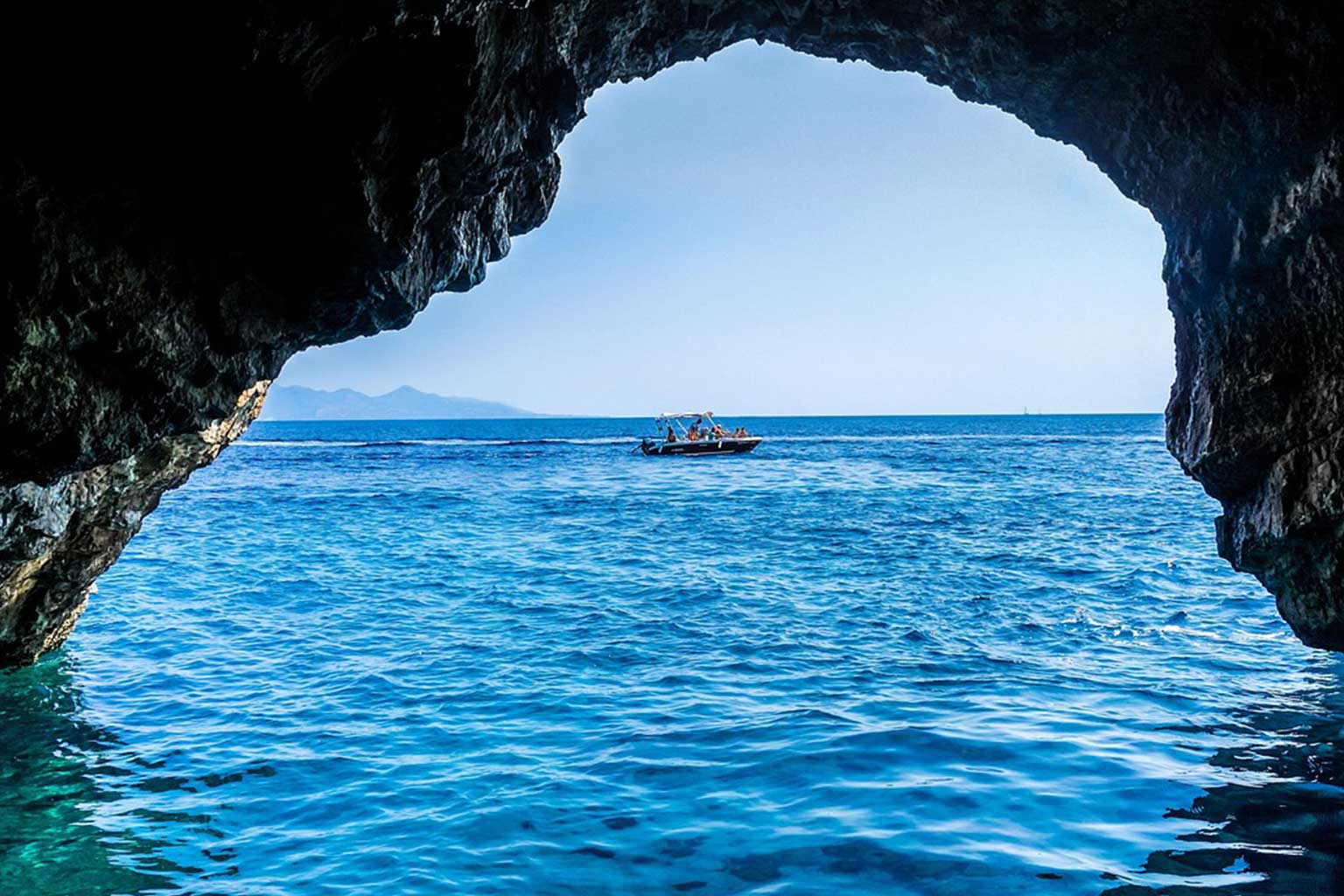
The dramatic limestone cliffs that define Paleokastritsa’s coastline hold secrets that have been millions of years in the making. Carved by relentless waves and weathered by wind and rain, these cliffs are riddled with sea caves, hidden grottos, and secret swimming spots that remain invisible to shore-bound visitors. With your own boat, you become an explorer, navigating into chambers where sunlight creates magical effects and discovering coves where you might be the only human visitor all day.
This is the ultimate guide to the sea caves and secret spots around Paleokastritsa a world that exists parallel to the beaches and tavernas, waiting to be discovered by those adventurous enough to seek it out.
The Geology Behind the Magic
Understanding how these caves formed makes exploring them even more fascinating. The Paleokastritsa area consists primarily of Cretaceous limestone, a sedimentary rock formed from ancient marine organisms that lived over 65 million years ago. This limestone is relatively soft and soluble in water, particularly seawater, which is slightly acidic.
Over millions of years, wave action has exploited weaknesses in the rock cracks, fissures, and areas where the limestone is softer. The constant pounding of waves, combined with the chemical dissolution of the rock, gradually enlarges these openings into caves. The process continues today, meaning the caves you explore are still slowly evolving, growing larger year by year, millimeter by millimeter.
The result of this geological process is a coastline that resembles Swiss cheese—solid cliffs punctuated by openings of all sizes, from small holes to massive chambers. Each cave has its own character, determined by the specific geological conditions at that location, the direction of wave action, and the structure of the rock layers.
The Blue Eye Cave: Paleokastritsa’s Crown Jewel
The Blue Eye Cave stands as the most famous and most spectacular of Paleokastritsa’s sea caves. Located along the northern coastline, this cave earned its evocative name from the extraordinary optical phenomenon that occurs within its chambers. The experience of navigating into this cave ranks among the most memorable moments any visitor to Corfu can have.
Finding the Blue Eye
From the main Paleokastritsa bay, navigate northward along the coastline for approximately 10-15 minutes. You’ll pass the monastery on your left, perched dramatically on its cliff. Continue north, watching the cliff face carefully. The Blue Eye Cave entrance is large enough to spot from a distance a dark opening at sea level, with the characteristic limestone formations framing it like natural architecture.
The Approach
Approaching the Blue Eye requires calm conditions and careful navigation. The cave entrance is wide enough for small boats, but rocks protrude near the opening, so a slow, controlled approach is essential. The best time to visit is during calm morning conditions when the sea is flat. Check the water around the entrance you should be able to see the bottom clearly, which indicates safe depth.
Inside the Cave
As you navigate into the Blue Eye, the temperature drops noticeably the air inside is several degrees cooler than outside, providing welcome relief on hot summer days. But the real magic happens as your eyes adjust to the lower light levels. The water inside the cave glows with an otherworldly blue light, created by sunlight filtering through the water and reflecting off the white limestone bottom and walls.
This blue illumination gives the cave its name. The effect is most dramatic in late morning, roughly between 10:00 AM and noon, when the sun angle is perfect for penetrating the water. The entire chamber seems to glow from within, and looking down through the crystal-clear water, the bottom appears impossibly distant, as if you’re floating above a bottomless blue void.
The Acoustics
The Blue Eye offers another remarkable feature extraordinary acoustics. Voices echo and reverberate in unusual ways. Try speaking or singing while inside; the sound bounces off the walls and ceiling, creating natural amplification that would make any opera singer envious. This acoustic quality has historical significance local legends suggest that monks from the monastery above used the cave for meditation, drawn by the spiritual atmosphere created by the combination of blue light and otherworldly sound.
Swimming in the Blue Eye
Swimming inside the cave is an unforgettable experience. The cool water, the echoing sounds, and the blue glow create a surreal atmosphere. However, always maintain awareness of your boat and the exit. If multiple boats are inside simultaneously, coordinate your movements to avoid collisions in the confined space. Never dive into the cave stick to surface swimming and snorkeling.
The Monastery Cave: History Beneath the Cliffs
Directly below the famous Paleokastritsa Monastery, accessible only from the water, lies a smaller but historically significant cave. While less visually dramatic than the Blue Eye, the Monastery Cave offers a tangible connection to the area’s religious and cultural history.
Historical Significance
According to local tradition, Byzantine monks used this cave as a place of solitary meditation and prayer. The cave’s position, hidden from view from above but accessible from the sea, made it ideal for monks seeking complete isolation. Standing inside the cave, you can imagine these ancient religious figures arriving by small boats, spending hours in contemplation surrounded by the sound of lapping waves.
The Cave’s Features
The Monastery Cave extends back into the cliff for about 15 meters, with a ceiling high enough to stand in comfortably. Unlike the Blue Eye, this cave doesn’t have the dramatic light effects, but it possesses a quieter, more contemplative character. The walls show evidence of human presence areas where soot from torches has left marks, and carved niches that might have held icons or offerings.
Accessing the Cave
The entrance sits quite close to the cliff base, requiring careful navigation to avoid submerged rocks. Approach slowly from the north, watching for the distinctive opening. The water depth at the entrance is shallow about 2-3 meters so larger boats should stay back and allow occupants to swim in. The cave floor inside is rocky but navigable with water shoes.
The Northern Coastal Caves: A Network of Wonders
Beyond the famous named caves, the coastline north of Paleokastritsa features dozens of smaller caves, grottos, and openings. Exploring this network feels like a treasure hunt you never know what you’ll discover around the next headland.
Cave Cluster One: The Arches
About 20 minutes north of the main bay, you’ll encounter a section of coastline where erosion has created natural arches and interconnected caves. Some of these openings go completely through the rock, creating tunnels you can navigate. The largest arch stands about 5 meters tall and perhaps 8 meters wide easily large enough for your boat to pass through.
Navigating through these arches provides an exhilarating experience. As you enter, the walls close in around you, sound changes dramatically, and for a few seconds you’re in a natural tunnel before emerging on the other side to open water again. The rock formations above the arches often support vegetation small plants and even stunted trees that somehow find purchase in cracks in the stone.
Cave Cluster Two: The Double Chamber
Further north lies a particularly interesting cave system consisting of two connected chambers. You enter the first chamber through a wide mouth at sea level. This outer chamber is well-lit and spacious. At the back of this chamber, a second, smaller opening leads to an inner sanctum a more intimate space where the light is dimmer and the atmosphere more mysterious.
Few visitors discover this inner chamber because the connecting passage is narrow and requires swimming from your anchored boat. Those who make the effort find a special place the water inside has a different quality, appearing almost black due to the depth and limited light, and the silence is profound. It’s a place for quiet contemplation, far from the bustle of tourist beaches.
Cave Cluster Three: The Bird Sanctuary
One section of coastal caves serves as a nesting site for seabirds. During breeding season (typically April through July), these caves host colonies of birds, and approaching too close disturbs them. Responsible boaters keep a respectful distance during these months, observing the birds with binoculars rather than invading their space.
Outside of breeding season, these caves can be explored, and the evidence of bird occupancy is everywhere white guano marks on the rocks, feathers floating in the water, and nests tucked into ledges. The birds themselves various species of gulls, shags, and occasionally peregrine falcons can often be seen perched on the cliffs or diving for fish in the surrounding waters.
Hidden Coves: Secret Beaches Between the Caves
The same geological forces that created the caves have also carved out numerous hidden coves tiny beaches accessible only by water. These secret spots offer the ultimate in privacy and natural beauty.
Finding Hidden Coves
Hidden coves don’t advertise their presence. They appear as you navigate along the coastline, sudden breaks in the cliff line revealing small beaches or swimming areas. Some are no larger than a living room, others might be 20-30 meters across. The joy of discovering these spots yourself, rather than following a guidebook, creates a sense of ownership and adventure that’s increasingly rare in modern tourism.
Characteristics of Secret Coves
Most hidden coves share certain features. They’re protected from waves by the surrounding cliffs, making the water exceptionally calm. The beaches, when present, consist of smooth pebbles worn down by millennia of wave action. The water clarity in these coves is often exceptional because they’re away from the sediment stirred up in more trafficked areas.
The surrounding cliffs provide natural shade for part of the day crucial during the intense midday heat. This shade also creates dramatic lighting effects, with sharp contrasts between sunlit areas and cool shadows. The rocks themselves display fascinating colors and textures layers of different limestone strata, fossils embedded in the stone, and vegetation clinging to improbable perches.
Privacy and Solitude
The greatest treasure of hidden coves is privacy. In these spots, you can spend hours without seeing another person. You can swim naked if you choose, sunbathe without crowds, have intimate conversations without being overheard, or simply sit in silence and contemplate the natural world. This solitude has real value in our increasingly crowded world.
Submarine Springs: An Unusual Phenomenon
One of Paleokastritsa’s most unusual features doesn’t involve caves at all, but rather underwater springs where freshwater emerges from the seabed. These springs create a remarkable sensation when swimming sudden patches of noticeably colder water in the middle of the warm sea.
How They Form
These submarine springs result from freshwater flowing through underground channels in the limestone, eventually emerging below sea level. The water typically comes from rainfall in the mountains behind Paleokastritsa, which percolates down through the rock over weeks or months before finding its way to the sea.
Finding the Springs
The springs are most noticeable in areas where the water is otherwise quite warm typically in shallow bays during summer afternoons. As you swim, you’ll suddenly feel a cold patch, sometimes quite intense. The cold water is denser than seawater, so it tends to stay near the bottom, but mixing occurs at the boundaries, creating swirling thermal zones.
Some springs are strong enough to create visible surface disturbances slight boiling effects where the water texture looks different. Locals know the locations of major springs and can point them out, but part of the fun is discovering them yourself through swimming exploration.
Ecological Importance
These freshwater inputs have ecological significance. The mixing of fresh and salt water creates unique habitats. Some species of fish are attracted to these zones, and the freshwater brings nutrients from the land that support marine life. The springs also contribute to the overall water clarity the constant influx of fresh water helps flush out sediments and pollutants.
Marine Life in and Around Caves
The caves and rocky coastline support diverse marine life. The rocky substrates provide attachment points for algae and invertebrates, which in turn support fish populations. In shaded cave entrances, you might spot groupers lurking in the shadows. The rocks host sea urchins, starfish, and anemones. Small fish damselfish, wrasses, and gobies dart in and out of crevices.
Octopuses favor this habitat, using caves and crevices as daytime hiding spots before emerging at night to hunt. Their remarkable camouflage makes them challenging to spot, but patient observers might notice the telltale signs a pile of empty shells outside a small cave entrance, evidence of the octopus’s meals.
Occasionally, lucky explorers encounter Mediterranean monk seals in the more remote caves. These critically endangered animals use sea caves as resting spots and occasionally as breeding sites. If you’re fortunate enough to see one, maintain a respectful distance and consider it a rare privilege there are only a few hundred individuals remaining in the entire Mediterranean.
Navigation and Safety Considerations
Exploring caves and secret spots requires more caution than cruising between established beaches. Always approach caves slowly, watching for submerged rocks at the entrance. Never enter a cave if wave action is present even small waves can create dangerous conditions inside confined spaces. Check the tide level; some caves that are accessible at low tide become dangerous at high tide.
Bring a waterproof flashlight or headlamp. Even in caves with good natural light, a flashlight helps you see details in darker areas and signals your presence to any other boats that might approach. Always leave someone onshore with your general itinerary, especially if you’re planning to explore remote areas.
Weather can change quickly. Keep an eye on conditions and don’t hesitate to postpone cave exploration if the sea becomes rough. The caves will still be there tomorrow, but your safety is paramount.
The Best Time for Cave Exploration
Morning hours offer the best conditions for cave exploration. The sea is typically calmest after the night’s cooling, before afternoon winds pick up. Light conditions are optimal in late morning (10:00 AM to noon) when the sun is high enough to penetrate caves but not so high that it creates harsh contrasts.
Summer months (June through September) provide the most reliable weather and calmest seas. Spring and fall can offer excellent exploring conditions but require more attention to weather forecasts. Winter cave exploration is only for experienced boaters sea conditions are unpredictable, and storms can make caves genuinely dangerous.
Photography in Caves
The dramatic lighting and unusual settings make caves and grottos irresistible to photographers. The challenges of low light and high contrast require some technique. Use your camera or phone’s HDR mode to handle the bright entrance and dark interior simultaneously. For the best results in caves like the Blue Eye, photograph from inside looking out, using the dark cave walls to frame the bright entrance.
Waterproof housings for cameras and phones allow you to capture underwater perspectives. The clear water around Paleokastritsa creates excellent conditions for underwater cave photography. The blue light effects in caves like the Blue Eye photograph beautifully the camera captures the magical atmosphere you experience with your own eyes.
Respecting These Special Places
The caves and secret spots of Paleokastritsa have survived for millions of years, but they’re not indestructible. Human impact, even from well-intentioned visitors, can damage these natural treasures. Never touch or remove stalactites, stalagmites, or other cave formations. Don’t carve names or messages into the rock this vandalism destroys the natural beauty for future visitors.
Be mindful of noise. Loud music or shouting disrupts the special atmosphere of these places and disturbs wildlife. Leave no trace take all trash with you, and don’t disturb or collect shells, rocks, or marine life. These conservation practices ensure that future generations can experience the same wonder you feel exploring these caves today.
Discover Paleokastritsa’s Hidden Wonders with Alpha Wave Boat Rental
The sea caves and secret spots of Paleokastritsa remain hidden to most visitors, but they don’t have to be hidden from you. Alpha Wave Boat Rental provides everything you need to become an explorer of this remarkable coastline.
Alpha Wave’s license-free boats are perfect for cave exploration small enough to navigate into tight spaces, yet stable and safe enough to handle the varying conditions you’ll encounter. The team at Alpha Wave knows every cave, grotto, and hidden cove in the area. During your briefing, they’ll provide detailed information about which caves are safest to explore, what conditions to watch for, and which secret spots are worth the journey.
They’ll also share insights that only locals know which caves have the best light at different times of day, where to find the most interesting marine life, and which hidden coves offer the most spectacular swimming. This insider knowledge transforms your exploration from random wandering into a purposeful adventure where you experience the very best the coastline has to offer.
Leading the Wave in adventure tourism, Alpha Wave combines safety, quality equipment, and expert local knowledge to create unforgettable experiences. The caves and secret spots of Paleokastritsa have been waiting millions of years for you to discover them.
Contact Alpha Wave Boat Rental today and prepare to explore a hidden world that exists just beneath Paleokastritsa’s famous cliffs. The adventure of a lifetime is waiting, and Alpha Wave holds the key to unlocking these coastal treasures.
