
 English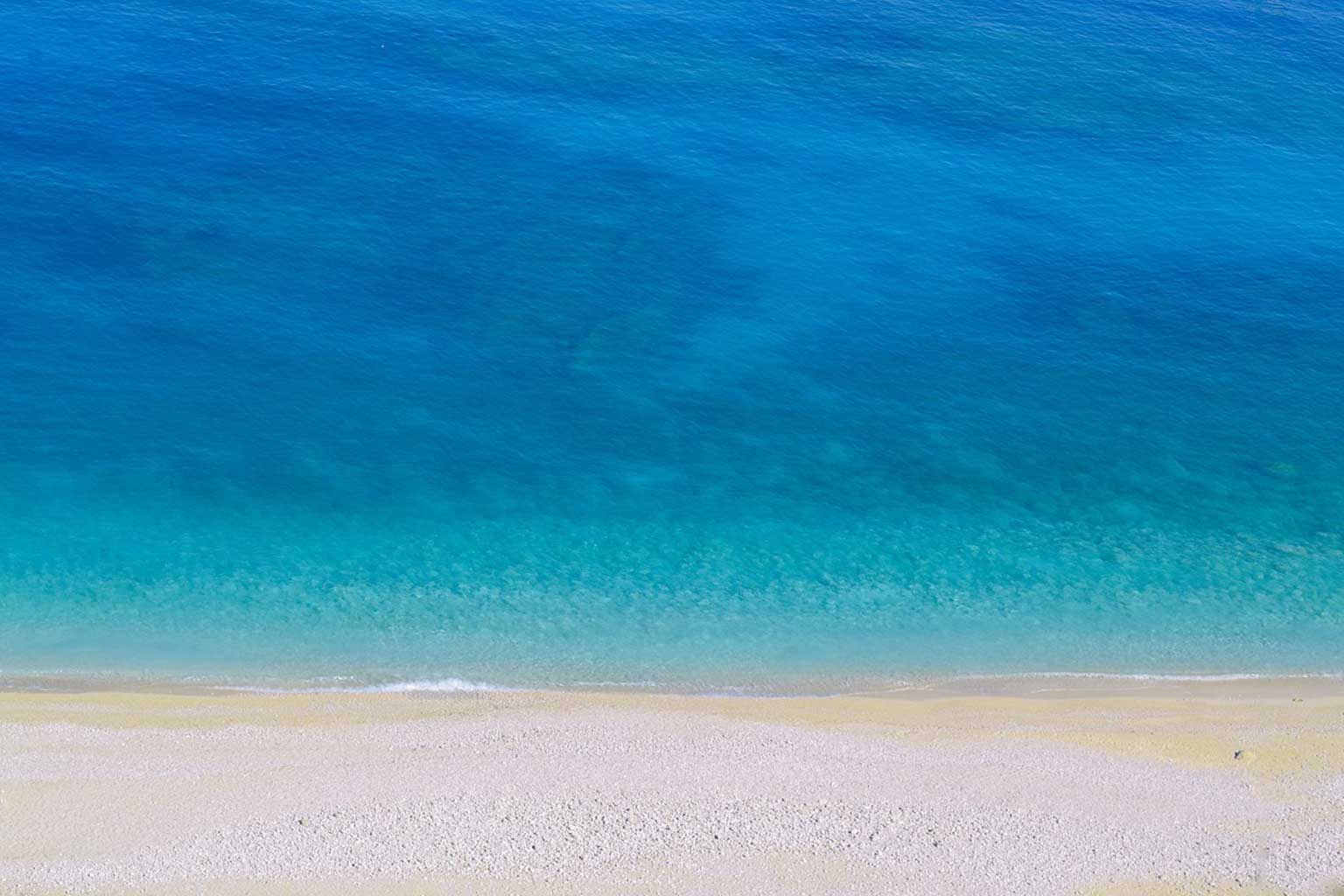
Beneath the surface of Paleokastritsa’s crystal-clear waters lies a world of remarkable beauty that most visitors never experience. The underwater landscape mirrors the dramatic cliffs and caves above the waterline, creating a marine environment rich in life, color, and geological wonder. With a rental boat, you gain access to the best snorkeling spots in the entire region, places where visibility exceeds 20 meters and marine life thrives in pristine conditions.
This comprehensive guide reveals Paleokastritsa’s underwater treasures, teaching you where to find the best snorkeling, what marine species you might encounter, and how to make the most of this extraordinary underwater paradise. Whether you’re a first-time snorkeler or an experienced enthusiast, Paleokastritsa’s underwater world will captivate and amaze you.
Why Paleokastritsa Offers Exceptional Snorkeling
Several factors combine to make Paleokastritsa one of the Mediterranean’s premier snorkeling destinations. Understanding these factors helps you appreciate why the underwater experience here surpasses most other locations.
Water Clarity and Visibility
The limestone geology surrounding Paleokastritsa creates water of exceptional clarity. Limestone acts as a natural filter, and the lack of rivers or streams carrying sediment means the water remains remarkably clear. On typical summer days, underwater visibility ranges from 15 to 25 meters, allowing you to see the bottom even in relatively deep areas. This clarity makes snorkeling immediately rewarding, as you can observe fish and features from considerable distances.
The protected bay location minimizes wave action that would stir up sediments. Unlike exposed coastlines where constant wave energy clouds the water, Paleokastritsa’s sheltered coves maintain pristine clarity. The combination of limestone filtering and protected waters creates ideal conditions for observing underwater life.
Diverse Underwater Topography
The rocky coastline continues beneath the surface, creating varied underwater landscapes. Massive boulders, underwater cliffs, caves, and channels provide diverse habitats supporting different marine communities. Sandy patches between rocks host different species than the rocky areas themselves. This habitat diversity translates to biodiversity, with numerous species occupying their preferred ecological niches.
The depth variation adds to the diversity. Shallow areas less than 3 meters deep support sun-loving species and provide nursery habitat for juvenile fish. Mid-depth zones from 3 to 8 meters host the greatest diversity, with complex rock formations creating hiding spots and hunting grounds. Deeper areas beyond typical snorkeling range still influence the ecosystem, as larger fish move between depths depending on time of day and season.
Healthy Marine Ecosystem
Paleokastritsa benefits from relatively light development and strong local awareness of environmental protection. The waters remain clean, without the pollution and degradation that affects more heavily developed coastal areas. This healthy ecosystem supports robust populations of fish, invertebrates, and marine plants.
The presence of Posidonia seagrass meadows indicates excellent water quality. This Mediterranean endemic plant is sensitive to pollution and only thrives in clean water. The seagrass provides crucial habitat, produces oxygen, and stabilizes sediments, further contributing to water clarity and ecosystem health.
Top Snorkeling Locations Accessible by Boat
Your rental boat opens access to Paleokastritsa’s best snorkeling spots, many of which are difficult or impossible to reach from shore.
The Rocks Below the Monastery
The area directly below Paleokastritsa Monastery ranks among the finest snorkeling spots in the entire region. The underwater landscape here mirrors the dramatic cliffs above, with massive rocks, overhangs, and small caves creating complex three-dimensional habitat.
How to Find It: From the main bay, navigate toward the monastery perched on its prominent cliff. The best snorkeling is along the base of the cliff, in depths ranging from 3 to 10 meters. Anchor in 5-6 meters over sand, then swim toward the rocky areas.
What You’ll See: Large damselfish defend territories among the rocks, their iridescent blue coloring flashing as they dart about. Schools of bream cruise past, occasionally stopping to investigate divers. Wrasse in various species and colors pick at the rocks, searching for small invertebrates. The rocks themselves host colorful algae, sponges, and anemones.
Best Time: Morning hours from 9:00 AM to 11:00 AM offer optimal light conditions. The sun illuminates the underwater rocks beautifully, and the water is typically calmest.
Depth and Safety: Most of the interesting features lie in 4-8 meters depth, comfortable for confident snorkelers. The clear water and nearby boat make this a safe location even for less experienced snorkelers.
The Northern Cave Area
The sea caves north of the main bay provide extraordinary snorkeling opportunities. The cave entrances themselves offer unique environments, and the surrounding rocky coastline teems with life.
How to Find It: Navigate north from the monastery for about 10-15 minutes. You’ll pass several caves, with the largest (Blue Eye Cave) being the most prominent. The entire stretch of coastline here offers excellent snorkeling.
What You’ll See: Cave entrances host species that prefer shade and lower light levels. Look for octopus hiding in crevices during the day. The contrast between bright sunlit areas and dark cave shadows creates dramatic visual effects. Larger fish, including occasional groupers, inhabit the deeper rocky areas near cave entrances.
Best Time: Late morning (10:00 AM to noon) when the sun angle illuminates the cave areas while keeping the open water calm.
Depth and Safety: The caves themselves drop to significant depths. Stay in the 3-6 meter zone around cave entrances rather than venturing into deep water. Always be aware of your boat’s position and maintain visual contact.
Alipa Beach Rocky Areas
The rocks at the edges of Alipa Beach create one of Paleokastritsa’s most diverse snorkeling environments. The combination of sandy bottom, rocky outcrops, and excellent visibility makes this location ideal for extended snorkeling sessions.
How to Find It: Navigate north to Alipa Beach (about 15-20 minutes from central Paleokastritsa). The snorkeling is best at the southern and northern edges of the beach where sand transitions to rock.
What You’ll See: The transition zone between sand and rock hosts maximum diversity. Small fish shelter in rocky crevices while larger species patrol the sandy areas hunting for prey. Flatfish and rays occasionally rest on sandy patches. The rocks support colorful algae and invertebrate communities.
Best Time: Morning for the calmest conditions, though this location remains good throughout the day due to its protected position.
Depth and Safety: Excellent for all skill levels, with interesting features starting in just 2 meters of water and extending to 6-8 meters. The gradual depth increase allows you to choose your comfort level.
Paradise Beach Edges
While Paradise Beach is famous for its golden sand, the rocky areas at the cove’s edges provide excellent snorkeling often overlooked by beach-focused visitors.
How to Find It: Navigate to Paradise Beach, then explore the rocky points on either side of the main beach. The southern point typically offers slightly better snorkeling.
What You’ll See: Small schooling fish use these areas as nursery habitat. You might see hundreds of tiny fish moving in coordinated patterns. Larger predators occasionally cruise through hunting for these schools. The rocks at depth host octopus, moray eels (shy and non-aggressive), and various crustaceans.
Best Time: Afternoon, when the sun angle is optimal for this west-facing location.
Depth and Safety: Very safe location with most features in 2-5 meters. The sandy beach is immediately accessible if anyone needs a break or feels uncomfortable.
The Unnamed Coves
The numerous small coves between major beaches often provide the most rewarding snorkeling. These spots see few visitors, allowing marine life to behave naturally without the disturbance of constant human presence.
How to Find Them: Explore the coastline systematically, investigating every rocky point and small cove. Look for areas where clear water and rocky bottom are visible.
What You’ll See: Varies by location, but undisturbed coves often host more diverse and abundant life than heavily visited spots. Fish are bolder, octopus are active during the day, and you might see species that hide when human activity is constant.
Best Time: Any time, as these spots see so few visitors that time of day matters less than at popular locations.
Depth and Safety: Varies significantly. Always check depth before entering water, and be conservative in remote locations.
Marine Species You Might Encounter
Paleokastritsa’s waters host a diverse array of Mediterranean marine life. While you won’t see every species on a single snorkeling session, extended exploration reveals the ecosystem’s remarkable diversity.
Fish Species
Damselfish (Chromis chromis): Perhaps the most abundant fish you’ll see, damselfish appear in large numbers around rocky areas. Adults are dark blue-grey, while juveniles display brilliant iridescent blue. They’re territorial but harmless, often approaching snorkelers curiously.
Mediterranean Rainbow Wrasse (Coris julis): These colorful fish display sexual dimorphism. Females are reddish-brown with a white stripe, while males are spectacular with orange, blue, green, and purple coloring. They’re constantly active, picking at rocks for small invertebrates.
Ornate Wrasse (Thalassoma pavo): Another strikingly colored wrasse species, featuring complex patterns of green, blue, orange, and red. Males develop spectacular breeding colors with elongated dorsal fin rays.
Sea Bream (Various species): Several bream species inhabit these waters, ranging from small individuals to plate-sized adults. They often appear in small groups, cruising slowly through the water searching for food.
Salema Porgy (Sarpa salpa): Recognizable by horizontal golden stripes on a silver body, salemas often gather in schools of dozens or even hundreds of individuals, creating impressive displays.
Scorpionfish (Scorpaena species): Masters of camouflage, scorpionfish rest motionless on rocks, looking like part of the substrate. They’re venomous but not aggressive. Look carefully and you might spot one, but never touch.
Grey Mullet (Mugil species): Common in shallow sandy areas, mullets feed on algae and organic matter. They often travel in schools and may approach very close to snorkelers.
Peacock Wrasse (Symphodus tinca): Males display extraordinary colors during breeding season, with blue, green, and orange markings. They build and defend nest territories among rocks.
Invertebrates and Other Marine Life
Common Octopus (Octopus vulgaris): Octopuses hide in rocky crevices during the day, emerging at night to hunt. They’re recognizable by their eight arms and remarkable ability to change color and texture to match their surroundings. A pile of shells outside a small cave often indicates an octopus’s den.
Sea Urchins (Various species): Both black and purple sea urchins attach to rocks in shallow areas. They’re important grazers but can deliver painful puncture wounds if stepped on. Look but don’t touch, and watch where you place your hands and feet.
Starfish (Various species): Several starfish species live among the rocks. The most common is the red starfish, though purple and orange individuals also occur. They move slowly, feeding on algae and small invertebrates.
Anemones (Various species): These flower-like animals attach to rocks, using their tentacles to capture small prey. Various species display different colors and sizes. They’re safe to observe but can sting if touched.
Crabs (Various species): Multiple crab species hide among rocks. The European spider crab is common, along with smaller decorator crabs that cover themselves with algae and sponge fragments for camouflage.
Jellyfish (Seasonal): The most common species is the compass jellyfish (Chrysaora hysoscella), recognizable by brown markings resembling compass points. Their sting is mild but irritating. Most jellyfish in these waters are harmless to humans.
Nudibranchs (Sea Slugs): These small, colorful mollusks appear on rocks and seagrass. They’re tiny (1-5 cm) and require careful observation to spot, but their bright colors make the search worthwhile.
Occasional Special Encounters
Mediterranean Moray Eel (Muraena helena): Morays hide in rocky crevices with just their heads visible, mouths opening and closing as they breathe. They look threatening but are shy and non-aggressive unless provoked. Never reach into holes or crevices.
Groupers (Epinephelus species): Groupers are less common due to fishing pressure but occasionally appear around cave entrances and deep rocky areas. They’re large, impressive fish that can exceed 50 cm in length.
Rays (Various species): Occasionally, rays rest on sandy bottoms between rocks. They’re harmless unless stepped on (some species have a defensive spine). If you see one resting, observe from a distance.
Dolphins: While not snorkeling subjects, dolphins occasionally visit Paleokastritsa’s waters. Seeing them from your boat as you travel between snorkeling spots is a thrilling bonus.
Mediterranean Monk Seal: Extremely rare, with perhaps only a few hundred remaining in the entire Mediterranean. Any sighting is extraordinarily special and should be reported to conservation authorities.
Snorkeling Techniques and Tips
Successful snorkeling combines proper technique with equipment knowledge and environmental awareness.
Equipment Essentials
Mask: A properly fitting mask is crucial. Test the fit by placing it against your face without using the strap and inhaling through your nose. A proper seal means the mask stays in place. The strap should be snug but not tight.
Snorkel: A simple J-shaped snorkel works better than complicated models with valves and splash guards. Keep it in your mouth but don’t bite down hard. Breathe naturally and calmly through your mouth.
Fins: Full-foot fins work well in these warm waters. Size them snugly but without painful pressure. Fins dramatically increase your efficiency in the water, allowing you to cover more distance with less effort while keeping your hands free for photography or pointing out discoveries.
Wetsuit Top or Rash Guard: Even in warm water, a thin wetsuit top or long-sleeve rash guard provides sun protection for your back and shoulders, which are constantly exposed to direct sun while snorkeling. It also provides mild thermal protection for extended sessions.
Basic Techniques
Breathing: Breathe slowly and deeply through your mouth. Many new snorkelers hyperventilate from anxiety or excitement. Conscious slow breathing prevents this and allows you to relax and enjoy the experience.
Swimming: Use long, slow fin kicks rather than rapid kicking. Efficient technique covers more distance with less effort. Keep your arms at your sides or clasp them behind your back.
Clearing Water: If water enters your snorkel, either surface and remove it, or learn to blast-clear by forcefully exhaling through the snorkel. If your mask floods slightly, you can clear it underwater by pressing the top and exhaling through your nose.
Duck Diving: To dive down for a closer look, take a deep breath, bend at the waist, point your head down, and raise your legs vertically. Your body weight pushes you down. Equalize ear pressure by pinching your nose and gently blowing. Never dive beyond your comfort level.
Safety Practices
Never Snorkel Alone: Always have a buddy. Keep visual contact and stay close enough to assist each other if needed. This rule applies even when snorkeling from your anchored boat.
Stay Aware of Your Position: Regularly look up and verify your boat’s position. It’s easy to drift while focused on underwater sights. Currents are usually mild in Paleokastritsa, but awareness prevents unpleasant surprises.
Conserve Energy: Don’t exhaust yourself swimming long distances or fighting current. If you feel tired, return to the boat and rest before continuing.
Watch for Boat Traffic: In popular areas, other boats may be present. Surface slowly and look around before raising your head above water. A brightly colored dive flag or surface float increases your visibility to other boats.
Respect Marine Life: Look but don’t touch. Don’t chase fish or harass animals. Maintain neutral buoyancy to avoid kicking up sediments or damaging marine life.
Sun Protection: Apply waterproof reef-safe sunscreen to all exposed skin, including ears, back of neck, and backs of legs. Reapply after extended sessions. Consider a full wetsuit top for maximum protection.
Photography Opportunities
Paleokastritsa’s clear water and abundant marine life create excellent opportunities for underwater photography, even with basic waterproof cameras or phone housings.
Equipment Options
Modern waterproof phone cases allow impressive underwater photos. For better results, dedicated waterproof cameras or action cameras offer superior image quality and easier operation underwater. More serious enthusiasts might use mirrorless cameras in underwater housings, though this represents a significant investment.
Photography Tips
Get Close: Water reduces contrast and sharpness. Get as close to your subject as possible while still composing the shot. This minimizes water between camera and subject.
Use Natural Light: In Paleokastritsa’s clear shallow water, natural light produces excellent results. Shoot with the sun behind you when possible. Avoid midday when harsh overhead light creates strong shadows.
Focus on Eyes: When photographing fish, focus on the eyes. Sharp eyes make the whole image feel sharp even if other areas are slightly soft.
Capture Behavior: Static portraits are nice, but photos showing behavior tell stories. Capture fish feeding, octopus changing color, or damselfish defending territories.
Include Scale: Include your hand, another diver, or familiar objects in some shots to provide scale and context.
Shoot Upward: Photographing subjects against the bright surface creates dramatic silhouettes and interesting compositional opportunities.
Be Patient: Fish often approach curious snorkelers. Stay still and let subjects come to you rather than chasing them.
Video Options
Underwater video captures the fluid movement and behavior that still photos miss. Even simple video clips make excellent vacation memories and share well on social media. Keep clips short (30-60 seconds) and move the camera slowly and smoothly.
Conservation and Responsible Snorkeling
Enjoying Paleokastritsa’s underwater treasures comes with responsibility to protect them for future generations.
Leave No Trace
Never take anything from the underwater environment. Shells, rocks, and marine life should remain where you find them. Collecting damages ecosystems and is illegal in protected areas. Take only photographs and memories.
Avoid Physical Contact
Don’t touch marine life or coral. Even gentle contact can damage animals’ protective slime coats or harm delicate structures. Never stand on or grab underwater features for support.
Buoyancy Control
Practice neutral buoyancy to avoid accidentally kicking or hitting the bottom. Fin kicks that stir up sediment damage habitat and reduce visibility for everyone. If you need to adjust your mask or equipment, swim to open water over sand rather than hovering over sensitive rocky areas.
Respect Feeding Behavior
Never feed fish. This alters natural behaviors, creates dependency, and introduces inappropriate foods into the ecosystem. Animals should find their own natural diet.
Support Conservation
Choose tour operators and boat rentals committed to environmental protection. Alpha Wave’s emphasis on responsible tourism helps preserve the marine environment that makes this experience possible.
Seasonal Variations in Snorkeling
Snorkeling conditions and marine life vary throughout the season, each period offering different advantages.
Late Spring (May-June): Coldest water but maximum clarity. Juvenile fish appear in large numbers. Spring spawning activity makes many species more colorful and active.
Summer (July-August): Warmest water allows longest sessions. Some algae growth may slightly reduce visibility. Fish are abundant and accustomed to human presence.
Early Fall (September-October): Excellent balance of warm water and good clarity. Fish populations peak before winter migration. Less boat traffic means undisturbed marine life.
Experience Paleokastritsa’s Underwater World with Alpha Wave Boat Rental
The underwater treasures of Paleokastritsa wait to be discovered, but accessing the best snorkeling spots requires the right boat rental partner. Alpha Wave Boat Rental specializes in helping snorkeling enthusiasts reach Paleokastritsa’s premier underwater locations.
Alpha Wave’s boats provide stable platforms perfect for snorkeling. The easy water entry, secure anchoring, and shallow draft allow you to position yourself perfectly at each snorkeling spot. The staff provides detailed information about current conditions, visibility expectations, and exactly where to find the best marine life.
Many Alpha Wave customers specifically choose boat rentals for snorkeling access. The team understands snorkelers’ needs and can recommend locations based on your experience level, interest in photography, or desire to see specific species. They’ll tell you about recent sightings, whether an octopus has been spotted at a particular cave, or which areas currently have the clearest water.
Leading the Wave in snorkeling expertise, Alpha Wave ensures your underwater adventure is safe, productive, and unforgettable. The combination of quality boats, knowledgeable staff, and access to pristine snorkeling locations makes Alpha Wave the obvious choice for underwater exploration.
Ready to discover what lies beneath Paleokastritsa’s crystal waters? Contact Alpha Wave Boat Rental today and prepare for an underwater adventure that reveals a hidden world of color, life, and natural beauty. The snorkeling paradise of Paleokastritsa is waiting.
